
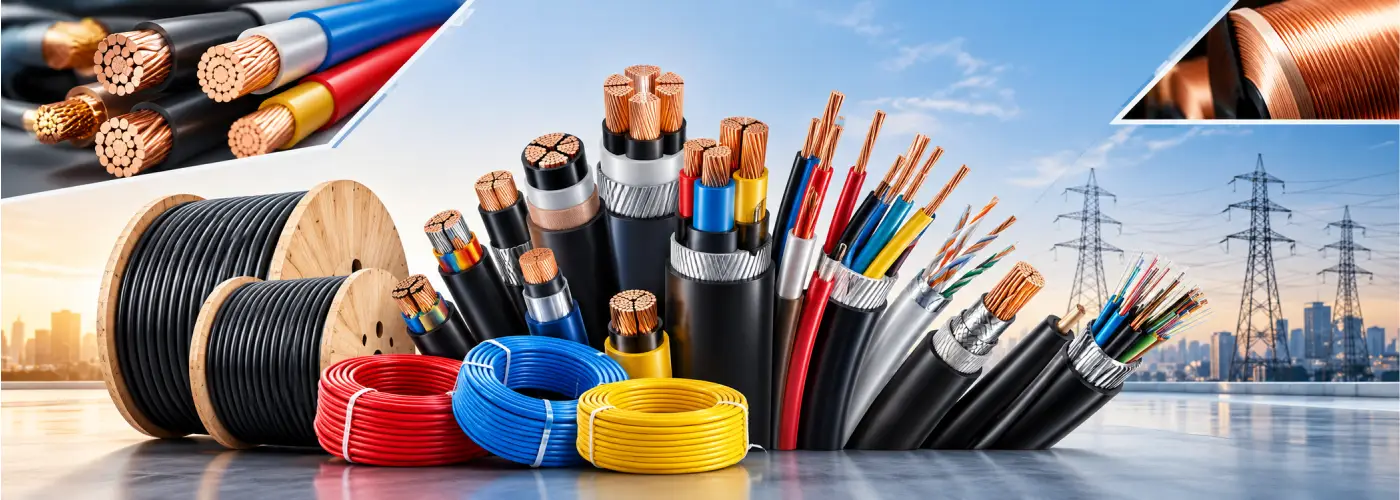
High Mast Pole Cable Supplier
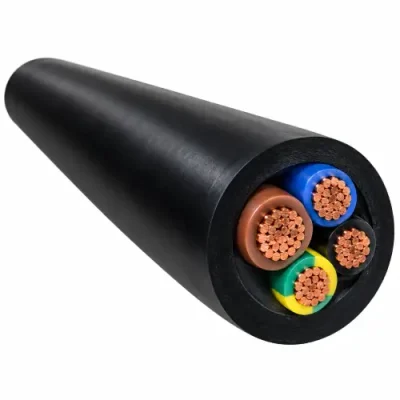
High Mast Pole Cable Supplier in Kolkata, Odisha, Jharkhand, Bihar, Patna, Chhattisgarh, Ranchi, West Bengal and Assam
Reliable illumination at highways, transport terminals, industrial premises and large outdoor spaces depends on properly designed electrical connections. Powertech Distributor caters to High Mast Pole Cable requirements for lighting installations where electrical conductors must connect the supply system to luminaires mounted at considerable heights. Selecting the appropriate cable involves evaluating current demand, voltage drop, insulation performance, environmental exposure and compatibility with the pole’s internal wiring arrangement. Powertech Distributor welcomes enquiries from Kolkata, Odisha, Jharkhand, Bihar, Patna, Chhattisgarh, Ranchi, West Bengal and Assam for infrastructure lighting projects and electrical maintenance requirements.
Product Overview: Cabling for High Mast Lighting Systems
A High Mast Pole Cable is used within or in connection with a high-mast lighting installation to carry electrical power to the lighting fixtures and associated components. Depending on the system design, the installation may include supply cables, internal pole wiring, connections to a raising-and-lowering mechanism, junctions and protective electrical accessories.
The cable must be selected according to the lighting load, installation height, cable route, pole construction and environmental conditions. Outdoor installations require particular attention to moisture protection, insulation quality, UV exposure where applicable and secure cable entry points.
Powertech Distributor supports procurement enquiries for high-mast lighting cable requirements, helping buyers identify the specifications needed for their particular installation.
Important Features for High Mast Pole Cable Selection
- Electrical load compatibility: The conductor cross-section must be suitable for the combined lighting load and the installation’s protective-device rating.
- Voltage drop management: Cable size and circuit length should be evaluated to maintain suitable voltage at the connected luminaires.
- Insulation performance: The insulation material must meet the system’s voltage and operating-temperature requirements.
- Outdoor installation suitability: The complete cable design should be appropriate for the expected exposure to moisture, sunlight and changing weather conditions.
- Mechanical protection: Cable routing, support and protective accessories should limit damage from sharp edges, movement and installation stresses.
- Maintenance accessibility: Appropriate cable identification and organised connections can simplify inspection and replacement work.
The required characteristics depend on whether the cable is used for fixed internal wiring, external supply connections or moving components within a particular high-mast system.
Technical Specifications to Consider
The following table provides a practical checklist for specifying High Mast Pole Cables. Exact values must be determined from the lighting design and manufacturer’s documentation.
Parameter | Selection requirement |
Conductor material | Copper or aluminium, subject to system design |
Conductor cross-section | Calculated from load, cable length and installation conditions |
Core configuration | Selected according to phase, neutral and protective-earth requirements |
Insulation material | PVC, XLPE or another approved material, as specified |
Rated voltage | Compatible with the electrical supply system |
Temperature rating | Suitable for the expected operating conditions |
Outer sheath | Appropriate for the installation environment |
Cable route | Internal pole wiring, external supply route or other designated arrangement |
Environmental suitability | Assess moisture, UV exposure, temperature and mechanical risks |
Compliance | Applicable electrical installation requirements and product standards |
Installation note: The cable size should be calculated by a qualified electrical professional, considering load current, voltage drop, fault protection, installation method and applicable electrical codes. Do not select a cable solely by pole height or luminaire wattage.
Common Applications of High Mast Pole Cables
High-mast lighting is used where a wide area needs illumination from a limited number of elevated lighting structures. Suitable cable arrangements form part of the electrical infrastructure supporting these installations.
- Highways and expressways: Power connections for lighting at road junctions, interchanges and selected highway sections.
- Ports and logistics yards: Electrical wiring for large outdoor handling and storage areas.
- Industrial complexes: Lighting connections for factory yards, loading areas and large operational spaces.
- Railway and transport facilities: Cable installations serving outdoor lighting at selected terminals and operational areas.
- Sports grounds: Electrical connections for high-mast lighting systems designed for outdoor recreational facilities.
- Public infrastructure: Lighting installations around civic spaces, major intersections and public utility areas.
- Commercial parking facilities: Power distribution for lighting large vehicle parking zones.
- Construction and infrastructure projects: Cable requirements for newly installed or refurbished high-mast lighting systems.
Quick Links
- Power Cable
- Fire Survival Cable
- Multi Core Cable
- Silicon Rubber Cable
- Heat Resistant Cable
- Thermocouple Compensating Cable
- EPR Cable
- Rubber Trailing Cable
- Load Cell Cable
- Lance Cable
- High Mast Pole Cable
- Magnet Cable
- Pull Cord Cable
- Screen Cable
- E-Beam Cable
- Optical Fibre Cable
- Copper Wire Cable
- Single Core Cable
- Control Cable
- Rubber Cable
- Instrumentation Cable
- Telecommunication Cable
- House Wiring
- LT Cable
- HT Cable
- Green Wire
- Aerial Bunch Cable
- Flexible Cable
- Solar Cable
- HOFR Cable
- Coaxial Cable
- Armoured Cable
- Submersible Cable
- Welding Cable
Quality and Electrical Safety Considerations
High-mast lighting systems may involve long cable runs, outdoor exposure and elevated equipment, making careful product selection and installation essential. Cable quality should be assessed through documented conductor specifications, insulation properties, rated voltage, manufacturing details and applicable test reports.
For installations that incorporate a raising-and-lowering luminaire carriage, buyers should confirm whether the relevant cable section experiences movement and whether the selected construction is suitable for that duty. A cable intended only for fixed wiring should not automatically be assumed suitable for repeated flexing.
Other important considerations include correct earthing, suitable circuit protection, weather-resistant terminations, secure cable support and inspection access. Installation and maintenance should follow the pole manufacturer’s instructions and applicable electrical safety requirements.
Why Choose Powertech Distributor?
Powertech Distributor caters to electrical procurement needs for infrastructure contractors, industrial facilities, lighting project teams and maintenance departments. Customers in Kolkata, West Bengal, Odisha, Jharkhand, Bihar, Chhattisgarh and Assam, including Patna and Ranchi, can enquire about High Mast Pole Cable requirements for new installations and replacement work.
Providing the project details helps make the enquiry more useful. Buyers can share the pole arrangement, lighting load, cable length, conductor size, number of cores and installation environment to clarify the required cable specification.
Powertech Distributor welcomes enquiries for project-based requirements and bulk cable procurement, with product selection guided by the technical needs of the installation.
High Mast Lighting Infrastructure and Cable Requirements
High mast poles are used in infrastructure locations where elevated luminaires provide broad-area illumination. Their electrical systems must accommodate the connected lighting load while supporting safe operation in exposed outdoor conditions.
Cable planning should account for the complete circuit, including the supply point, internal pole route, luminaire connections, earthing arrangement and any moving carriage components. For installations using LED floodlights, the designer should also consider driver characteristics, starting current where relevant and the manufacturer’s connection requirements.
Correctly specified cables, compatible protective devices and weather-appropriate terminations contribute to a more dependable lighting installation. Periodic inspection can help identify sheath deterioration, loose connections and other issues before they affect system operation.
Frequently Asked Questions
It carries electrical power to lighting fixtures and related components within a compatible high-mast lighting installation.
The appropriate size depends on the connected load, circuit length, voltage drop, installation method and fault-protection requirements. A qualified electrical professional should calculate the final size.
No. Cable requirements vary with the electrical design, outdoor exposure, pole configuration and whether any cable section experiences movement.
Share the lighting load, supply voltage, approximate cable length, core configuration, conductor material, installation type and required quantity.
Yes. Customers can submit project quantities and technical requirements to enquire about suitable cable options and commercial pricing.
Contact Powertech Distributor
Planning a high-mast lighting project or replacing cables in an existing installation? Contact Powertech Distributor to discuss your High Mast Pole Cable requirements and request a quotation based on your project specifications. Enquiries are welcome from Kolkata, Odisha, Jharkhand, Bihar, Patna, Chhattisgarh, Ranchi, West Bengal and Assam. For a more accurate quotation, provide the cable length, conductor size, lighting load and installation details along with your required quantity.