
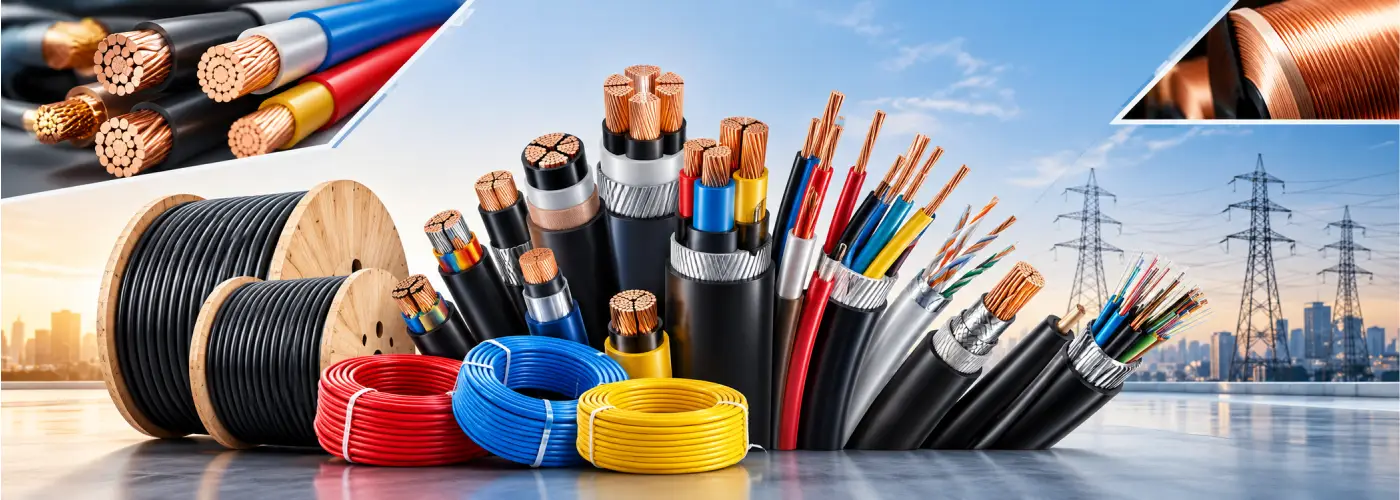
Magnet Cable Supplier
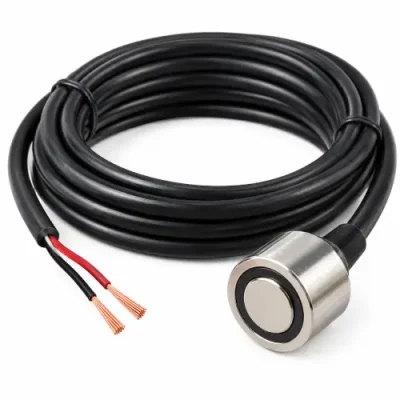
Powertech Distributor caters to industrial electrical procurement requirements, including enquiries for Magnet Cable used in specialised electrical and electromagnetic equipment. In many industrial contexts, the term magnet cable refers to magnet wire or winding wire used to create coils that generate or respond to magnetic fields when electrical current passes through them. Such products are commonly manufactured with conductive metal wire and a thin insulating coating selected for the intended winding application. Customers across Kolkata, Odisha, Jharkhand, Bihar, Patna, Chhattisgarh, Ranchi, West Bengal and Assam can contact Powertech Distributor to discuss their requirements and confirm the appropriate product type.
Understanding Magnet Cable and Its Construction
Magnet Cable, often known as magnet wire or winding wire, is used to manufacture electrical coils in equipment such as motors, transformers, solenoids and electromagnetic assemblies. Unlike conventional power cables, which typically use thicker insulation and protective sheathing, magnet wire generally features a relatively thin insulating enamel coating around a conductive wire.
Copper is widely used because of its electrical conductivity, while aluminium winding wire is used in certain applications. Insulation systems may include enamel formulations such as polyester, polyurethane, polyesterimide or polyamide-imide, depending on the required thermal and electrical characteristics. The appropriate product depends on the equipment design, winding space, operating temperature, voltage stress and manufacturing process. Powertech Distributor welcomes enquiries from buyers who need help identifying the relevant product specification.
Essential Characteristics of Magnet Cable
- Electrical conductivity: Copper and aluminium conductors provide pathways for current in coil windings, with performance depending on material and conductor dimensions.
- Thin insulating coating: Enamel insulation separates adjacent turns in a winding while helping utilise available winding space efficiently.
- Thermal classification options: Different insulation systems are designed for different temperature classes and operating conditions.
- Winding suitability: Available wire forms and dimensions support coil production processes when matched to the winding equipment.
- Consistent conductor dimensions: Wire diameter and coating thickness are important for winding design, resistance and space utilisation.
- Application-specific material selection: Conductor type and insulation grade can be selected according to the electrical and thermal demands of the equipment.
The exact characteristics depend on the manufacturer’s product range and technical documentation.
Choosing the Right Magnet Cable for Your Equipment
Correct winding-wire selection helps ensure that the finished coil meets its intended electrical and thermal requirements. Several technical factors should be reviewed before placing an order.
- Conductor material: Copper and aluminium have different conductivity and weight characteristics. The winding design must account for the selected metal.
- Wire diameter: The bare conductor diameter and overall insulated diameter affect resistance, current density and the number of turns that fit into a winding space.
- Insulation type: The enamel system must meet the required thermal class, dielectric performance and compatibility with the winding process.
- Mechanical properties: The wire must withstand the tension, bending and handling involved in winding without unacceptable insulation damage.
- Thermal operating conditions: The insulation’s rated temperature must be compatible with the expected temperature of the finished coil.
- Manufacturing compatibility: Solderability, stripping requirements, winding speed and varnish compatibility may matter depending on the production process and wire specification.
Technical Specifications to Verify
The following parameters help buyers define their Magnet Cable requirements. Exact values depend on the selected product.
Parameter | Specification details |
Product classification | Enamelled magnet wire or other specified winding conductor |
Conductor material | Copper or aluminium, according to the design |
Wire diameter | Specified bare conductor diameter |
Insulation system | Polyester, polyurethane, polyesterimide, polyamide-imide or another available coating |
Thermal class | Confirm the manufacturer’s declared insulation classification |
Electrical resistance | Depends on conductor material, diameter and length |
Insulation performance | Verify the applicable dielectric and coating requirements |
Mechanical properties | Assess elongation, flexibility and coating resistance as applicable |
Supply format | Coils, reels or other manufacturer-defined packaging |
Standards | Confirm relevant IEC, IS, NEMA or other project-specific requirements |
The table is a specification checklist, not a declaration that every insulation type or standard is available from Powertech Distributor. Confirm the exact product datasheet before procurement.
Quick Links
- Power Cable
- Fire Survival Cable
- Multi Core Cable
- Silicon Rubber Cable
- Heat Resistant Cable
- Thermocouple Compensating Cable
- EPR Cable
- Rubber Trailing Cable
- Load Cell Cable
- Lance Cable
- High Mast Pole Cable
- Magnet Cable
- Pull Cord Cable
- Screen Cable
- E-Beam Cable
- Optical Fibre Cable
- Copper Wire Cable
- Single Core Cable
- Control Cable
- Rubber Cable
- Instrumentation Cable
- Telecommunication Cable
- House Wiring
- LT Cable
- HT Cable
- Green Wire
- Aerial Bunch Cable
- Flexible Cable
- Solar Cable
- HOFR Cable
- Coaxial Cable
- Armoured Cable
- Submersible Cable
- Welding Cable
Common Applications of Magnet Cable
Magnet wire is an important component in electrical equipment that relies on wound conductors to create magnetic fields or transfer energy through electromagnetic induction.
- Electric motors: Used in stator and rotor windings, depending on the motor design.
- Transformers: Forms primary and secondary windings in compatible transformer constructions.
- Solenoids: Creates electromagnetic coils for actuators, valves and switching mechanisms.
- Relays and contactors: Supports coil assemblies used to operate electrical switching devices.
- Generators and alternators: Used in winding systems designed to produce electrical output.
- Inductors and chokes: Forms coils used in filtering, energy storage and other electronic circuits.
- Electromagnetic equipment: Supports specialised coils used in industrial machinery and control systems.
- Repair and rewinding workshops: Used when manufacturing or replacing windings to match the equipment specification.
The selected wire must be appropriate for the voltage, temperature, winding geometry and electrical duty of the finished equipment.
Quality Considerations for Magnet Cable Procurement
Winding wire quality can influence coil manufacturing efficiency, insulation reliability and the performance of the finished electrical component. Buyers should examine conductor diameter, coating uniformity, insulation classification, electrical resistance and relevant test documentation.
For precision winding applications, consistency in the insulated wire diameter is important because it affects how conductors fit into slots or coil forms. Insulation damage during winding can also compromise separation between adjacent turns. Therefore, storage, handling and processing should follow the manufacturer’s recommendations. Powertech Distributor encourages customers to share the required wire dimensions, conductor material and insulation class so the product can be identified against the actual application.
Why Contact Powertech Distributor?
Powertech Distributor welcomes enquiries from electrical equipment manufacturers, motor-rewinding businesses, transformer workshops, industrial maintenance teams and other buyers seeking cable and wire solutions. Customers across Kolkata, West Bengal, Odisha, Jharkhand, Bihar, Chhattisgarh and Assam, including Patna and Ranchi, can enquire about Magnet Cable requirements by providing the product type, wire diameter, conductor material, insulation classification and quantity. For procurement projects, clear specifications help buyers compare appropriate products and reduce the possibility of selecting winding wire that does not match the equipment design.
Magnet Cable for Electrical Manufacturing and Repair
Magnet Cable supports the manufacture and refurbishment of electromagnetic components used in power equipment, industrial controls and electrical machinery. The winding conductor must be selected as part of the complete coil design, taking account of the available space, number of turns, required resistance, operating current and temperature rise.Motor and transformer winding applications can have different requirements, so the same wire specification should not automatically be used for every repair or production job. Reviewing the original equipment documentation or winding specification is the most reliable way to establish the required dimensions and insulation grade.
Frequently Asked Questions
Not usually. In many industrial contexts, Magnet Cable means insulated winding wire designed for coils, whereas ordinary electrical cables are designed for power transmission or general electrical connections.
Copper is widely used, and aluminium is used in some winding applications. The choice depends on the equipment design and electrical requirements.
Refer to the winding drawing, equipment specification or original wire dimensions. Wire diameter affects resistance, current density and the number of turns that fit into the coil.
Yes. The insulation system must be suitable for the expected coil temperature and the operating conditions specified by the equipment manufacturer.
Provide conductor material, wire diameter, insulation type or thermal class, required quantity and intended application.
Contact Powertech Distributor for Magnet Cable Enquiries
Looking for winding wire for motors, transformers, electromagnetic coils or electrical equipment repairs? Contact Powertech Distributor to discuss your Magnet Cable requirements and request a quotation based on the required specification. Enquiries are welcome from Kolkata, Odisha, Jharkhand, Bihar, Patna, Chhattisgarh, Ranchi, West Bengal and Assam. Sharing the wire dimensions, insulation requirements and intended use will help clarify the appropriate product for your purchase.